

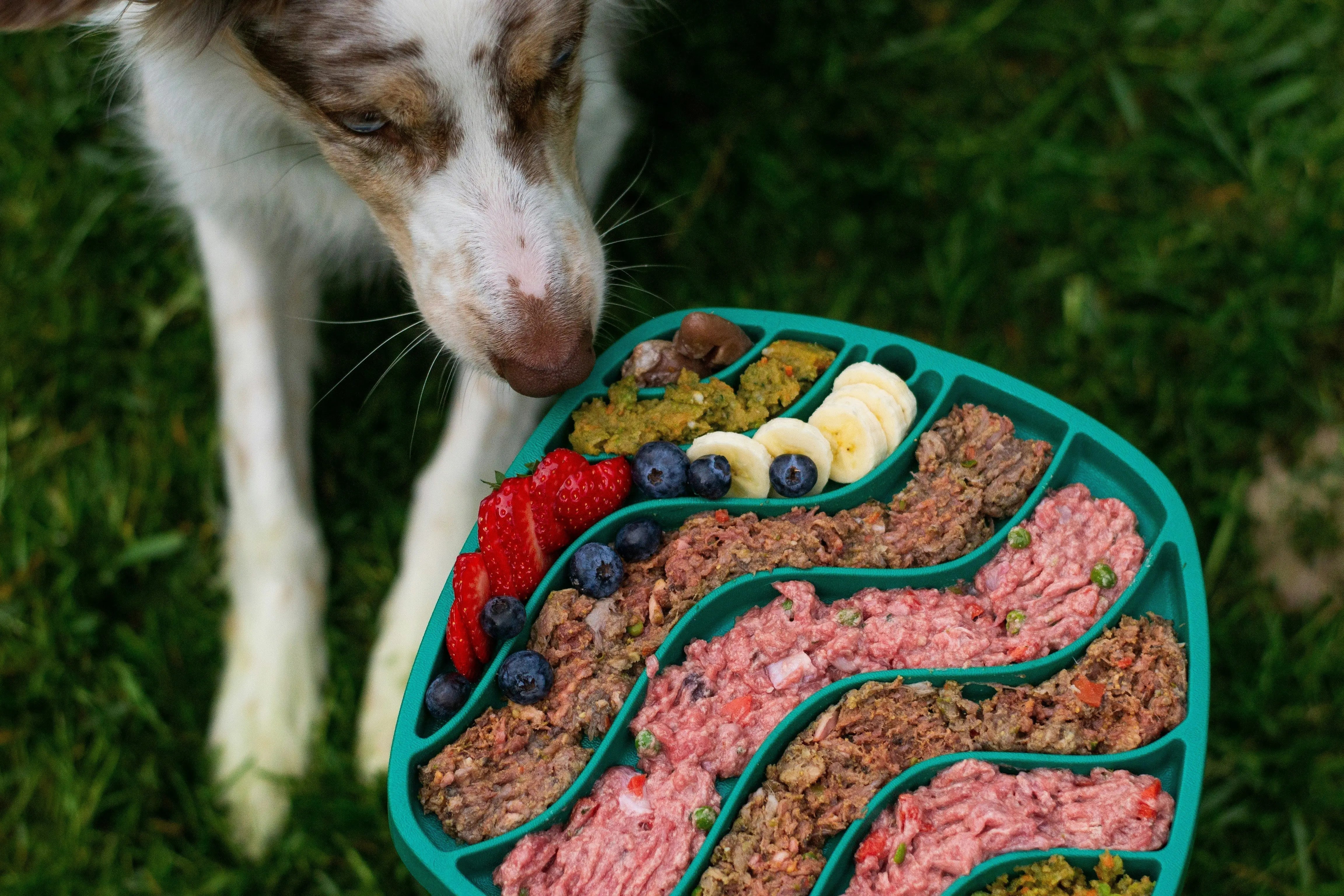
- A healthy gut microbiome is responsible for your dog's digestion, immunity, and skin condition.
- Fiber, prebiotics and probiotics are crucial for rebuilding intestinal flora.
- After antibiotics, illness and stress, the intestines require targeted support.
The Importance of a Dog's Gut Microbiome
A dog's healthy gut flora plays a crucial role in proper digestion, nutrient absorption, and immune support. The gut microbiome is made up of billions of bacteria that constantly interact with the dog's digestive and immune systems, influencing their daily functioning.
Intestinal bacteria break down nutrients that a dog's body cannot digest on its own, particularly dietary fiber. The fermentation process produces short-chain fatty acids (SCFAs), such as butyric acid, acetic acid, and propionic acid. These compounds serve as the primary energy source for intestinal epithelial cells, support the regeneration of the intestinal mucosa, and regulate local and systemic immune processes.
SCFAs, especially butyric acid, strengthen the intestinal barrier, limiting the penetration of toxins, allergens, and pathogens into the bloodstream. Furthermore, the microbiome participates in the synthesis of vitamins, including B vitamins and vitamin K, which are essential for the proper functioning of the nervous, hematopoietic, and metabolic systems.
Microbiome imbalances, known as dysbiosis, often manifest as gastrointestinal problems such as diarrhea, vomiting, flatulence, and irregular bowel movements. Long-term dysbiosis also leads to poorer nutrient absorption and a weakening of the body's natural defenses.
The gut microbiome, immunity and skin
It's estimated that up to 70% of a dog's immune system cells reside in the gut. This means that the health of the gut microbiome directly impacts the body's ability to fight infections, pathogens, and inflammatory responses.
A healthy gut flora stimulates the maturation of immune cells, regulates the immune response, and limits excessive inflammation. Dysbiosis, in turn, can lead to an overactive immune system, which promotes the development of allergies and inflammatory diseases.
A growing body of research also points to the existence of a gut-skin axis. Disturbances in the gut microbiome often manifest as dermatological problems such as dry skin, itching, food allergies, excessive shedding, and recurrent skin inflammation. Supporting the gut microbiome can, therefore, indirectly improve the condition of a dog's skin and coat.
A diet that supports your dog's intestinal flora
Restoring and strengthening the gut microbiome always begins with diet. Providing your dog with a variety of nutrients and adequate dietary fiber is crucial, as it provides the basic fuel for beneficial gut bacteria.
Research indicates that a high-fiber diet promotes the growth of fiber-fermenting bacteria, which improves a dog's digestion and metabolic health. In practice, it's a good idea to gradually introduce safe vegetables, small amounts of fruit, and natural sources of fiber, such as bran or plant-based supplements, into your dog's diet.
Substances fermented in the large intestine, known as prebiotics (e.g., inulin, fructooligosaccharides), support the production of SCFAs, including butyric acid, which nourishes the intestinal epithelium and regulates immune processes. A diet low in fiber, on the other hand, leads to a decrease in the number of beneficial bacteria and reduced SCFA production.
Probiotics, prebiotics and synbiotics
Using probiotics and prebiotics is an important dietary supplement that supports your dog's gut microbiome. Prebiotics provide food for beneficial bacteria, while probiotics are live bacterial cultures, such as Lactobacillus, Enterococcus, and Bifidobacterium strains, that directly inhabit the digestive tract.
Metabolites of probiotic bacteria, known as postbiotics, exhibit anti-inflammatory properties, strengthen the intestinal barrier, and support local intestinal immunity. Regular use of products containing prebiotics and probiotics can improve digestion, reduce diarrhea, and strengthen your dog's immune system.
The latest research highlights that the best results are achieved with a comprehensive approach – synbiotics, i.e. a combination of probiotics and prebiotics, which supports the reconstruction of intestinal microbiota more effectively than individual supplements.
Restoring the microbiome after antibiotics, illness, and stress
Disturbances in the gut microbiome often occur following gastrointestinal illnesses, antibiotic therapy, and chronic stress. Acute diarrhea is associated with a dramatic decline in fiber-fermenting bacteria, such as Faecalibacterium prausnitzii and Ruminococcus.
Antibiotics eliminate both pathogenic bacteria and beneficial intestinal strains. Studies have shown that administration of certain antibiotics in dogs results in an increase in pathogenic Clostridioides bacteria and a decrease in butyric acid-producing bacteria. In such cases, a highly digestible diet with added fiber and the gradual introduction of probiotics are recommended.
Stress also has a destructive effect on the gut microbiome. Chronic stress disrupts digestive processes, limits stomach acid secretion, and promotes the loss of beneficial gut bacteria. Prolonged stress can lead to permanent changes in the composition of the gut microbiome, so it's worth implementing additional gut support after stressful events.
The most common mistakes that destroy the microbiome
| Mistake | Effect | Solution |
|---|---|---|
| Low-fiber diet | Decrease in SCFA production and fiber-fermenting bacteria count | Gradually increase fiber intake |
| Excessive amount of fat | Growth of pro-inflammatory bacteria and dysbiosis | Balancing the calorie content of the diet |
| A consistent source of protein | Decline in microbiome diversity | Ingredient rotation and prebiotic additives |
How to Rebuild Your Dog's Intestinal Flora – Step by Step
- Introduce an easily digestible diet after illness or antibiotics.
- Make sure you get enough dietary fiber.
- Add natural prebiotics.
- Include a probiotic with tested strains.
- Avoid sudden changes in your diet.
- Monitor your dog's digestive response.
FAQ – caregivers' most frequently asked questions
Can a dog probiotic be used preventively?
Yes. Regular support for your microbiome can improve digestion, immunity, and reduce the risk of recurring gut problems.
How long does it take for the microbiome to recover after antibiotics?
Without support, this process can take weeks or months. Probiotics significantly shorten it.
Are natural homemade probiotics sufficient?
They can supplement the diet, but in the case of microbiome disorders, preparations with known composition are more effective.
Do the intestines influence skin allergies?
Yes. Intestinal dysbiosis often exacerbates allergic symptoms and dermatological problems.
Does stress affect a dog's intestinal flora?
Yes. Chronic stress leads to microbiome disruption and digestive problems.
Is probiotic only given when problems arise?
No. It is increasingly being treated as an element of daily preventive health care.
Does every dog need microbiome support?
Especially dogs recovering from illness, taking antibiotics, under stress or with skin and digestive problems.
Summary
A healthy gut microbiome is the foundation for proper digestion, strong immunity, and good skin condition in dogs. Restoring gut flora after illness, antibiotics, or stress is best started by modifying the diet, increasing fiber intake, and consciously supporting the gut with prebiotics and probiotics.
If you want to support your dog's microbiome in a natural and safe way, check out the natural probiotic for dogs available at hejpiesku.pl – designed for daily preventative care of intestinal health.


