



Live Long
Live Long
Functional treats for mature dogs that reduce inflammation, joint pain, support the heart and cancer prevention . A unique composition that will comprehensively take care of all the needs of a mature dog. Necessary everyday prevention, so that there are as many moments together as possible.
Psy kochają je za:
Psy kochają je za:
Pyszny, lekko słodki + delikatnie rybny smak. Traktują je jak super nagrodę!
Jak dawkować
Jak dawkować
2 smaczki dziennie na każde 5 kg masy ciała psa. W pierwszym tygodniu zacznij od połowy porcji.
Jak podawać
Jak podawać
Jako nagrodę, deser albo do posiłku
Co jest w środku
Co jest w środku
Składniki aktywne: Kolagen (w tym kolagen typu II), L-karnityna, witamina C, olej z ryb (omega-3), soplówka jeżowata (Lion’s Mane), ekstrakt z kurkumy, ekstrakt ze skórek winogron (antyoksydanty)
Baza formuły: Mączka z owadów, hydrolizowane białko zwierzęce, skrobia ziemniaczana, mąka z tapioki, gliceryna roślinna, olej kokosowy, suszona pulpa jabłkowa, siemię lniane, karob


Co mówią o nas klienci?
Sprawdź lub podziel się swoją opinią
Nasz 14-letni piesek Maks przyjmuje smaczki już od blisko roku i widzimy ogromną różnicę w jego zachowaniu. Na spacerach jest dużo bardziej żywy, a to, co wzrusza nas najbardziej — znów zaczął biegać.
Oczywiście nie są to już zawrotne prędkości, ale biega tyle, ile potrafi, i robi to z radością. To cudowne widzieć, że znów ma chęć czerpać z życia ile się da.
Kiedyś zawsze chodził powoli, a dziś to on prowadzi nas na spacerach.
Dziękujemy za przywrócenie mu blasku.
A Maksiu dziękuje szczególnie za swoją ulubioną część dnia — pogoń za smaczkami. „Hej piesku, żyj długo” ❤️
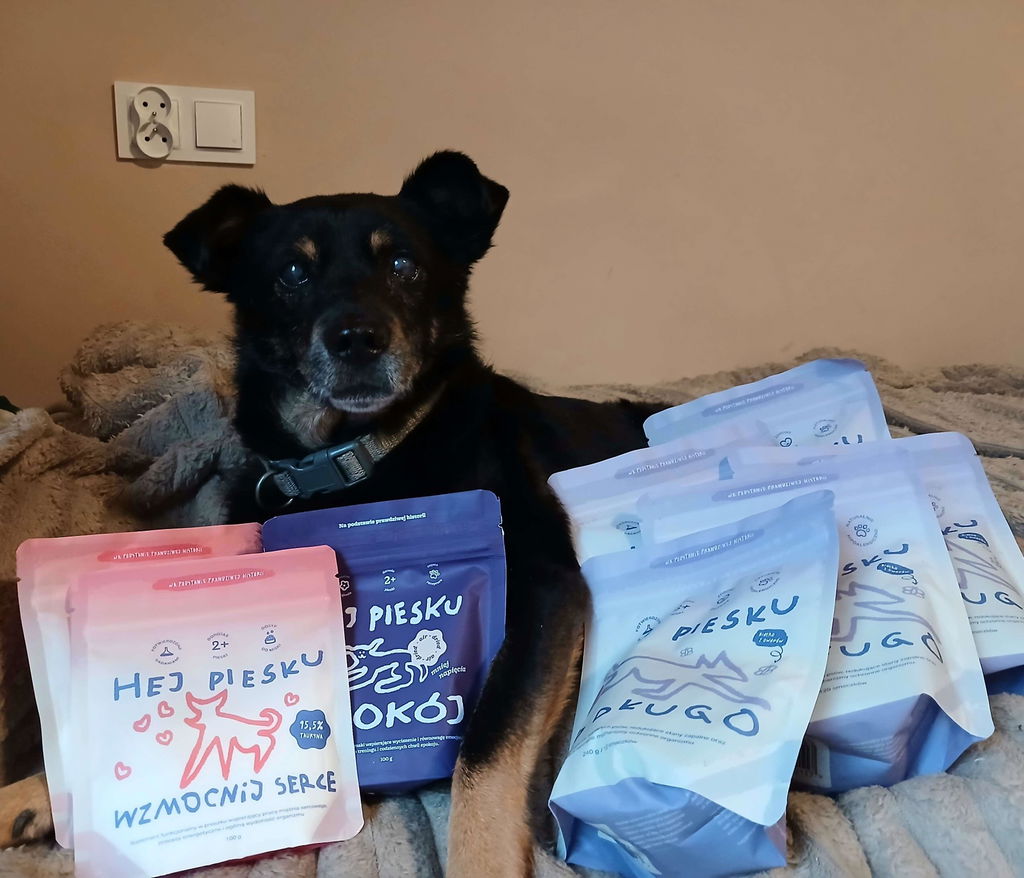
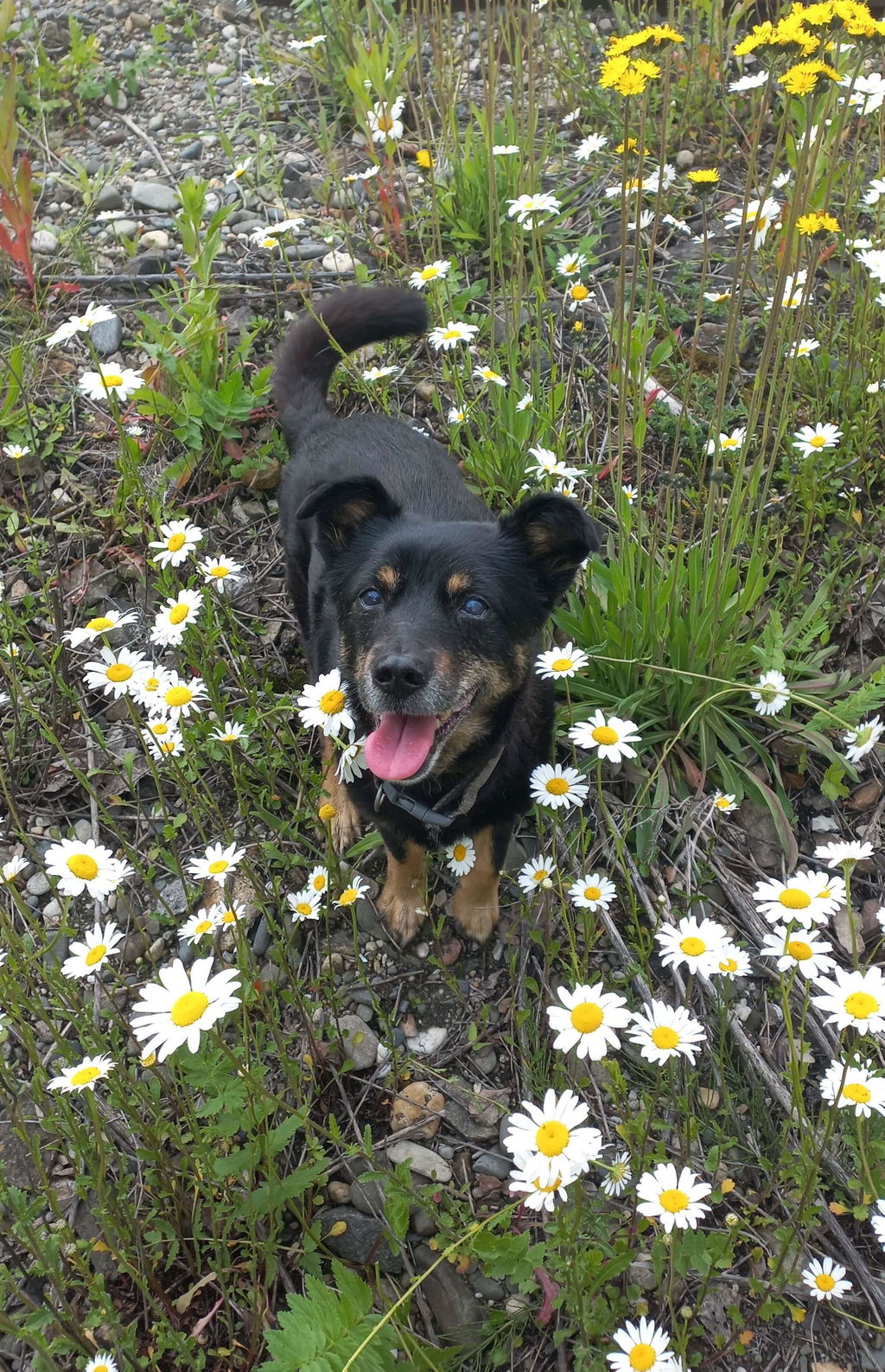
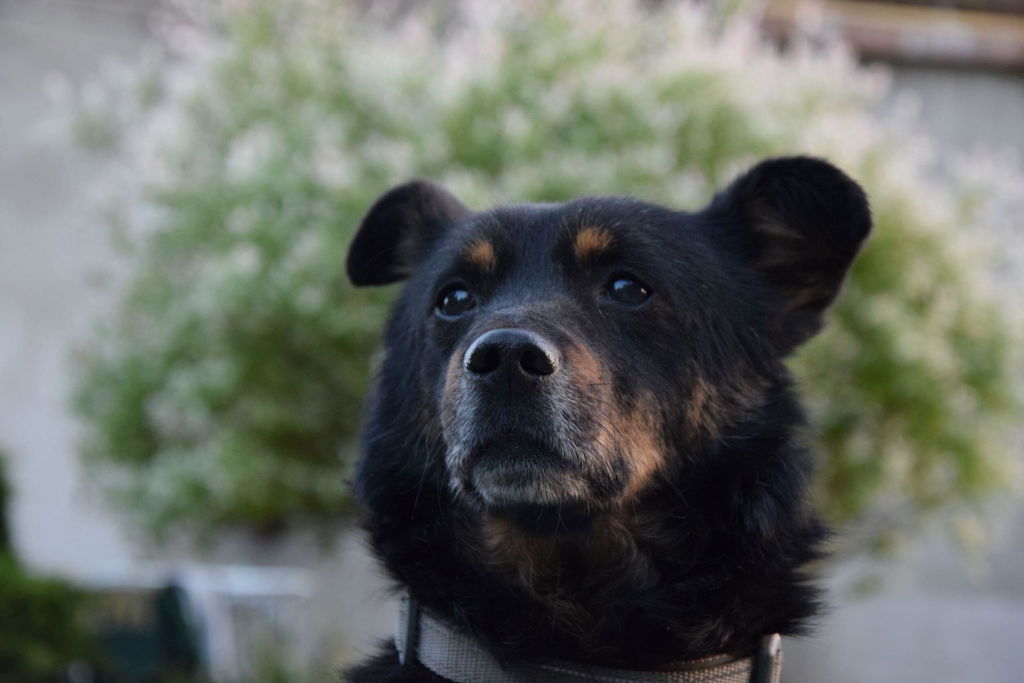
Smaczki Żyj Długo kupiłam dla dwóch piesków: mojego ośmiolatka, którego chciałam wzmocnić przed skomplikowaną operacją oraz dla psiej seniorki moich rodziców, 12-letniej owczarki. Polecam ze względu na naprawę fajny skład, który holistycznie wspomaga kondycję i, co było dla nas mega ważne, smaczki nie spowodowały żadnych problemów u starszej suni, która jest alergiczką i ma bardzo wrażliwe jelita. Superowa forma miękkich smaczków. Kupuję następną paczkę 😊
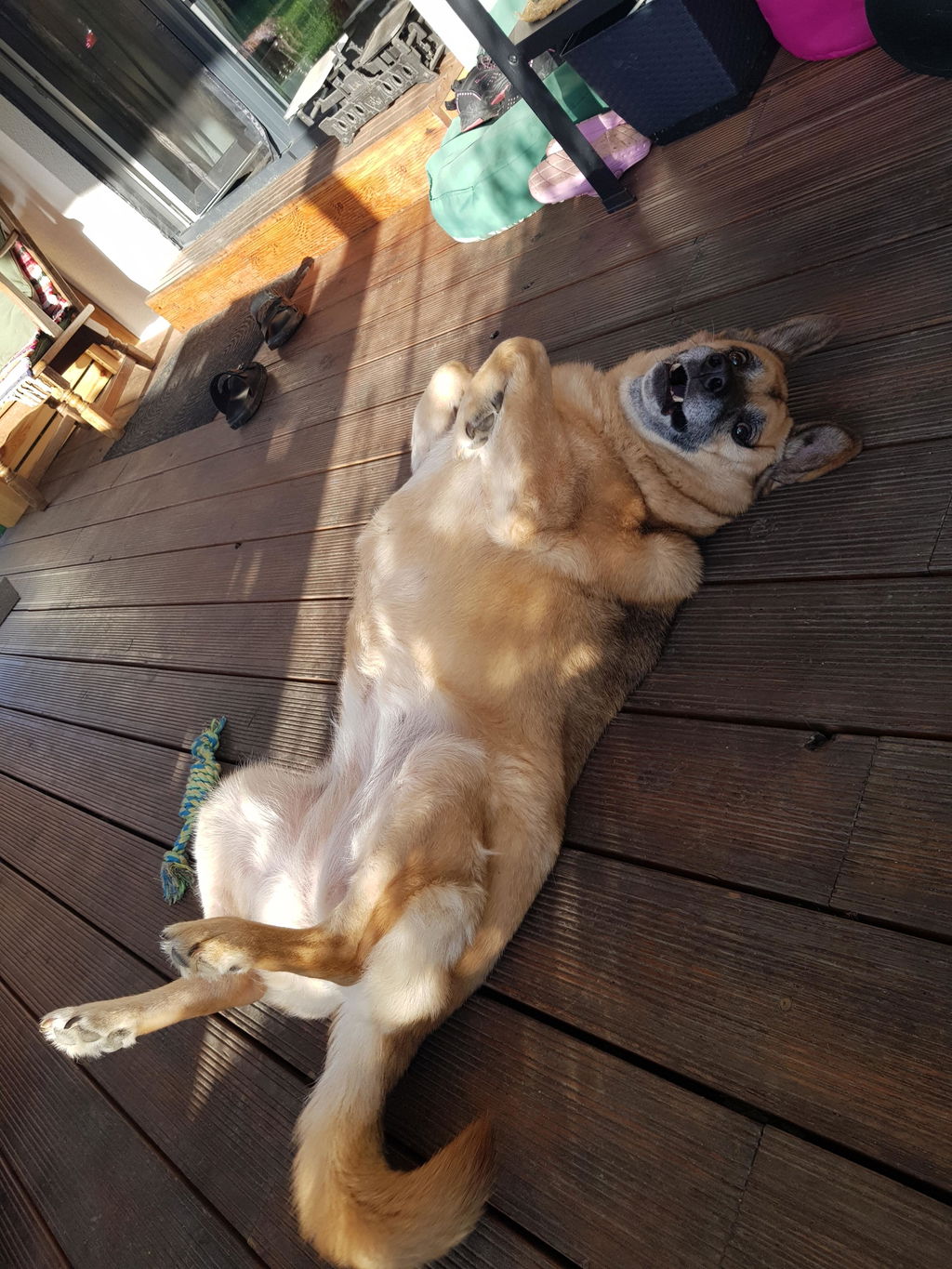
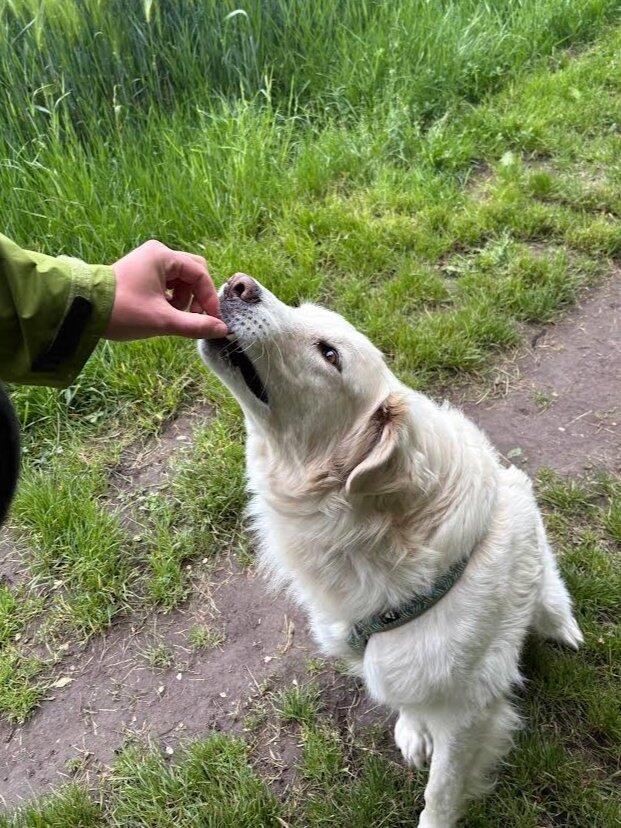
Pace uwieeeelbia suple i smaczki Hej Piesku, chociaż teraz na szczęście nie ma większych problemów zdrowotnych, to zaczęliśmy podawać mu Żyj Długo profilaktycznie, bo chcemy żeby był z nami jak najdłużej i w jak najlepszym zdrowiu 💘💘💘
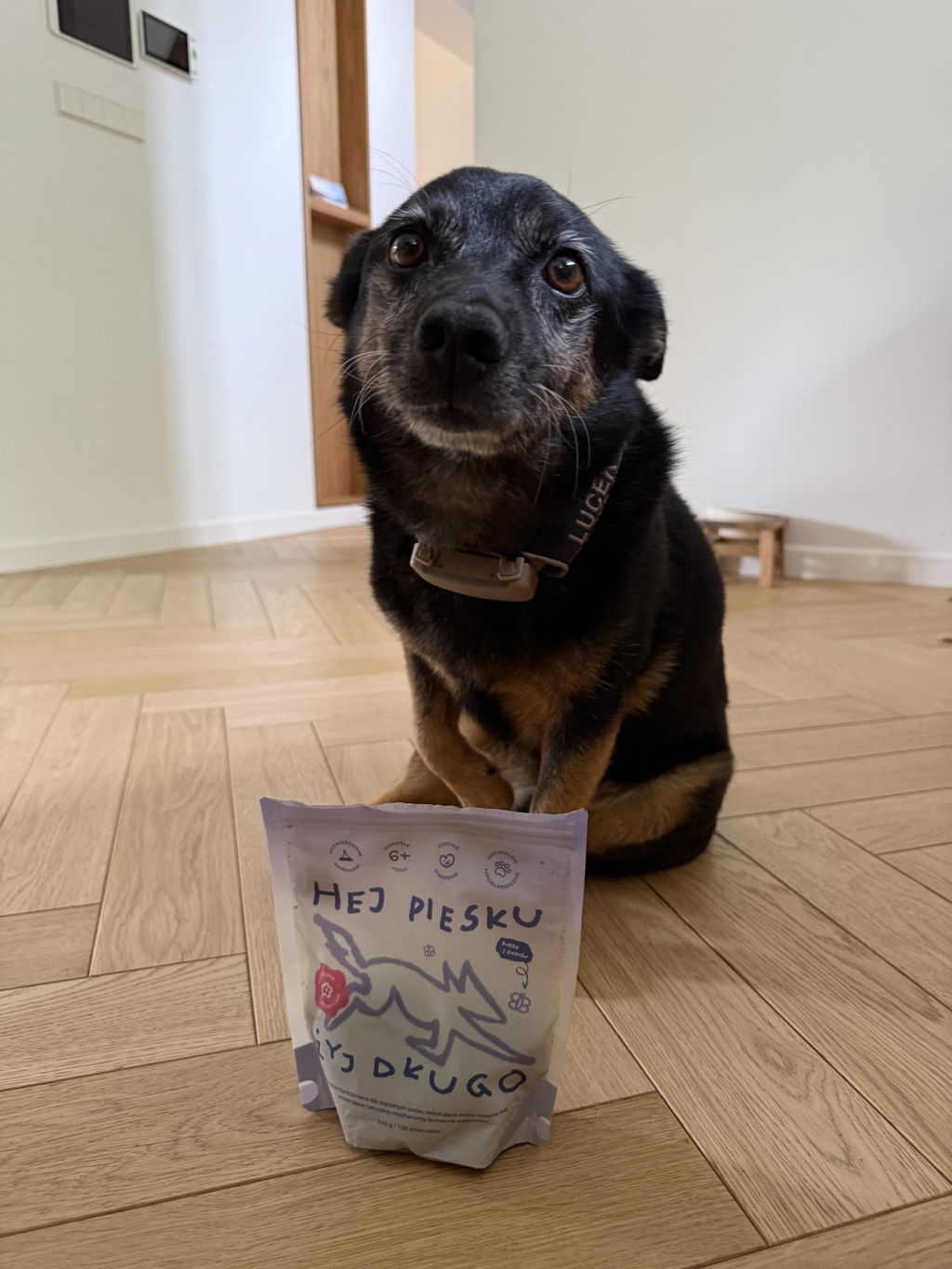
Kochamy ten suplement! Obsługa klienta, opakowanie, klarowny opis, no i smak…wierzymy Luckowi, że jest wyborny, choć sami nie próbowaliśmy. Jedynym smutkiem jest fakt, że musi się biedaczek ograniczyć do dwóch smaczków dziennie, bo tak je uwielbia 😍 fantastycznie, że powstało coś takiego, z miłości do naszych zwierzaków i w intencji ich długowieczności ❤️
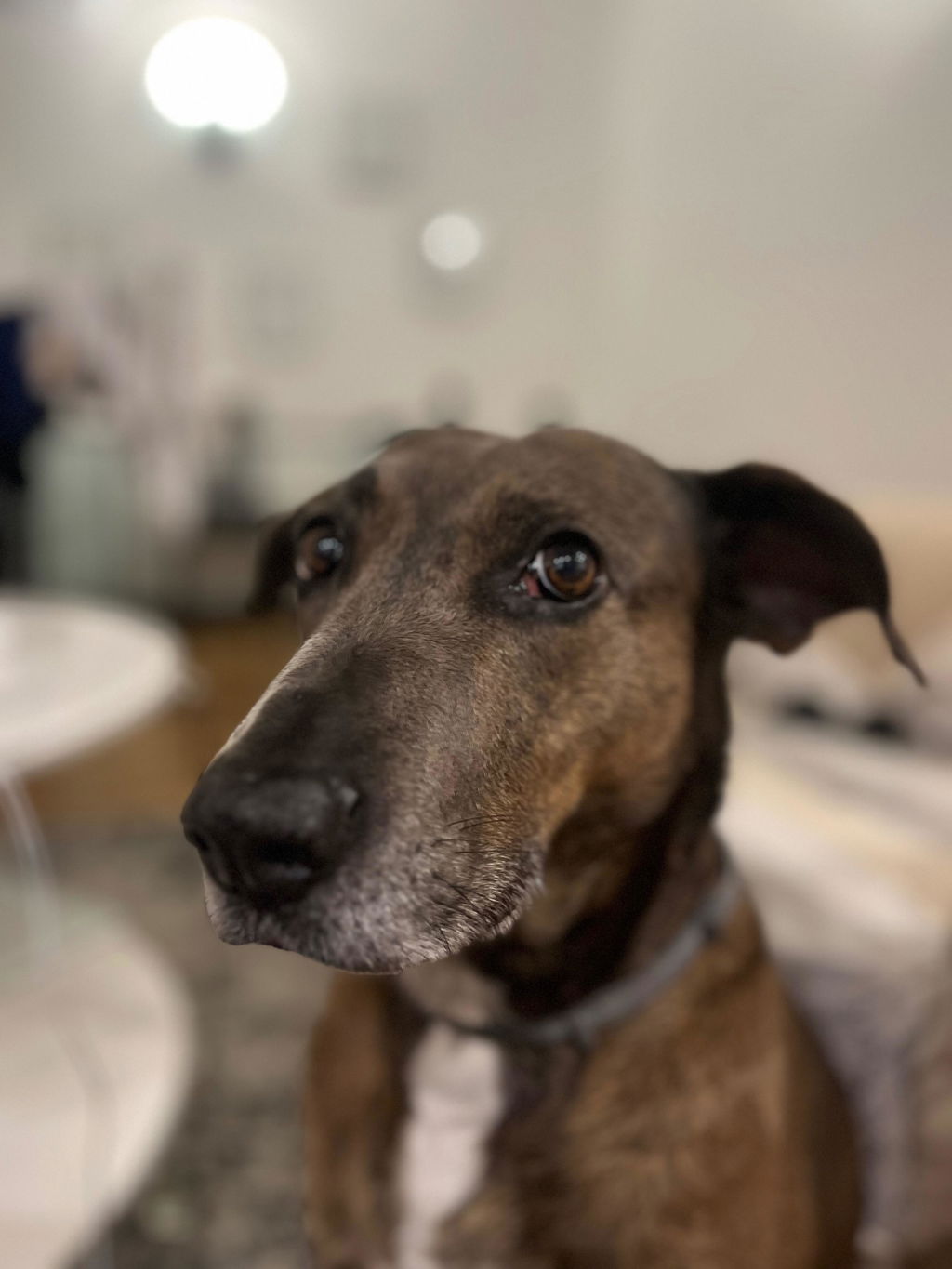
Zjadane ze smakiem! 🙃
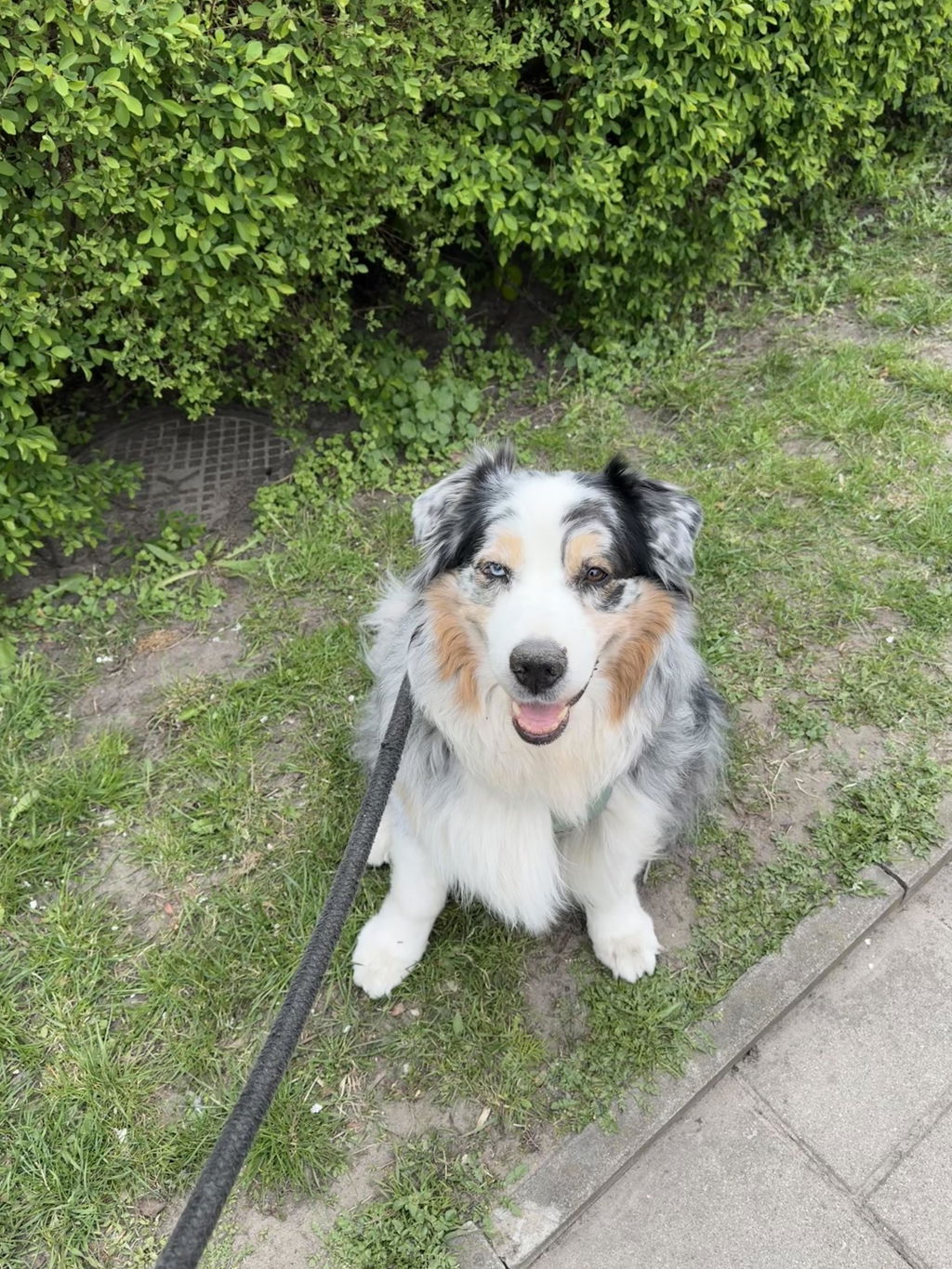
Piesek zjada smaczki bardzo chętnie! Nie mogę jednoznacznie wypowiedzieć się na temat działania, gdyż jest on obciążony chorobami, w tym również zwyrodnieniem stawów, na które dostaje zastrzyki. Na pewno nie powodują one u niego pogorszenia ani reakcji alergicznych, a że potrafi reagować alergicznie/nie tolerować różnych rzeczy, zatem jest to na plus :) zakupu dokonałam już dwa razy, w tym raz nową recepturę i najpewniej zdecyduję się również na ponowny zakup. Mają też dobry skład, co jest rzadkie obecnie
Nasz Pacze ma niecałe 7 lat, od niedawna stosujemy profilaktycznie Żyj Długo, każdego ranka budzi nas taki widok wyczekującego pyszczka, bo wie, że zaraz zbliża się porcja Żyj Długo. Dobrze jest czuć więcej spokoju, bo robimy co możemy, żeby mieć Pacze przy sobie jak najdłużej :) Więc nie tylko my jesteśmy zadowoleni, ale jak widać i Pacze 😂
Tina kocha suplementy Hej Piesku, jest pieskiem z interwencji i dbam o nią najlepiej jak mogę. Teraz bierzemy Żyj Długo 🩷

Już zdążyliśmy juz przetestować „Żyj długo” i „Spokój”. Pyza ma prawie 14 lat. Jest w świetnej formie i zdrowiu. Odkąd zaczęliśmy podawać jej Spokój i Żyj długo, to mam wrażenie, jakby jej umysł znów odzyskał fajną bystrość. Zawsze potrafiła szybko przejść od ekscytacji do spokoju, ale teraz zabawa z nią wygląda jeszcze inaczej i dłużej utrzymujemy skupienie. To jest naprawdę super ❤️❤️❤️ jestem Wam bardzo wdzięczna 🥲
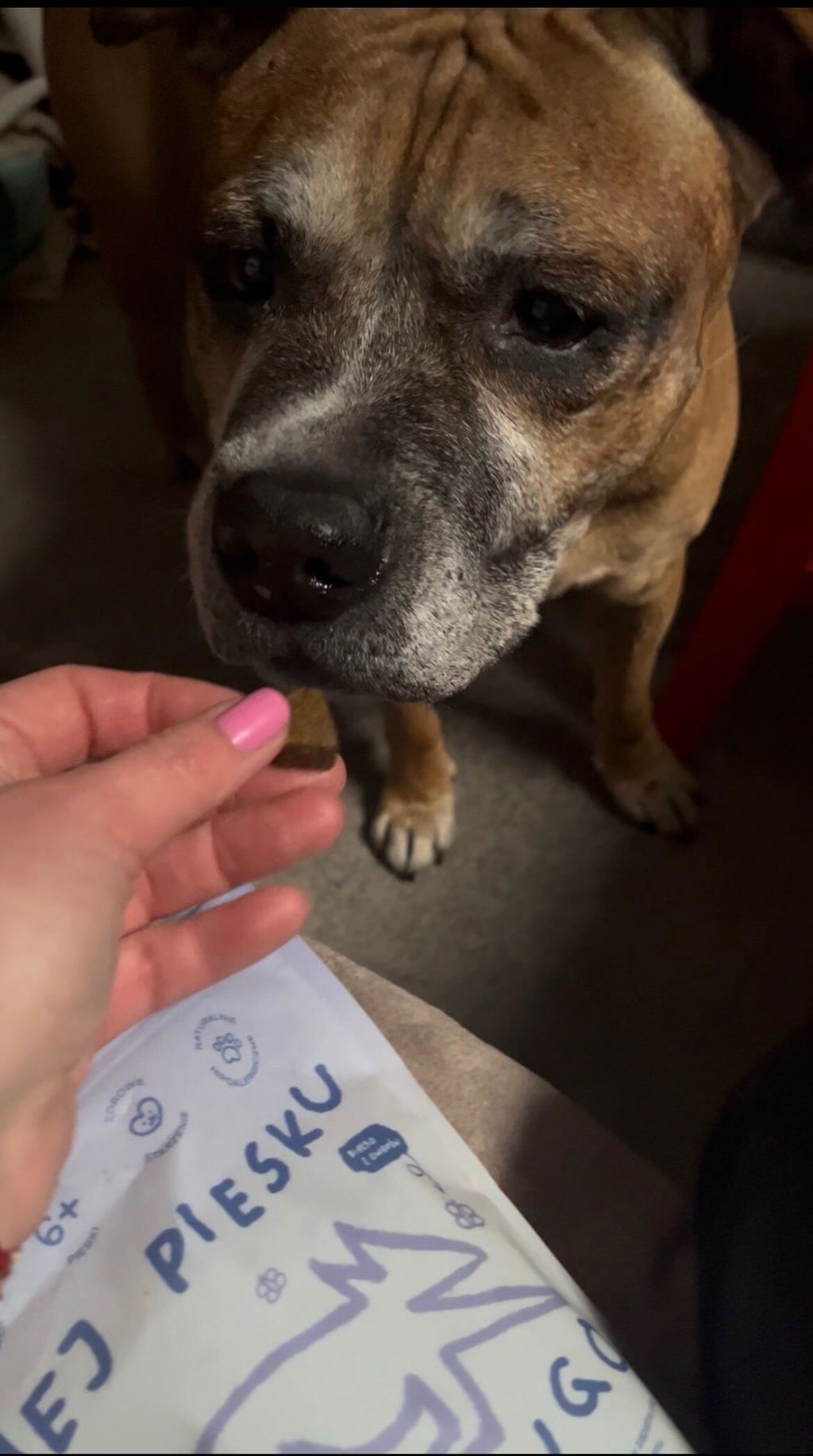
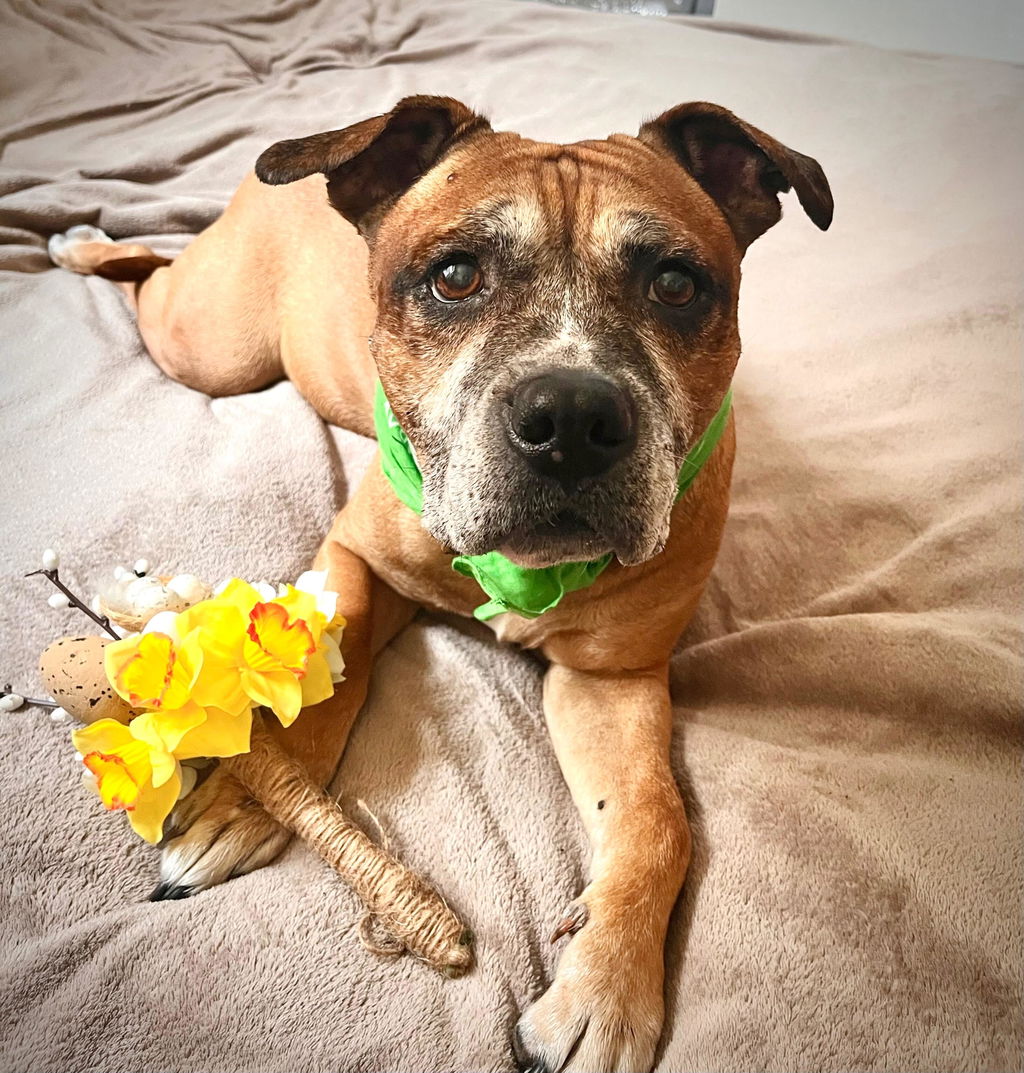
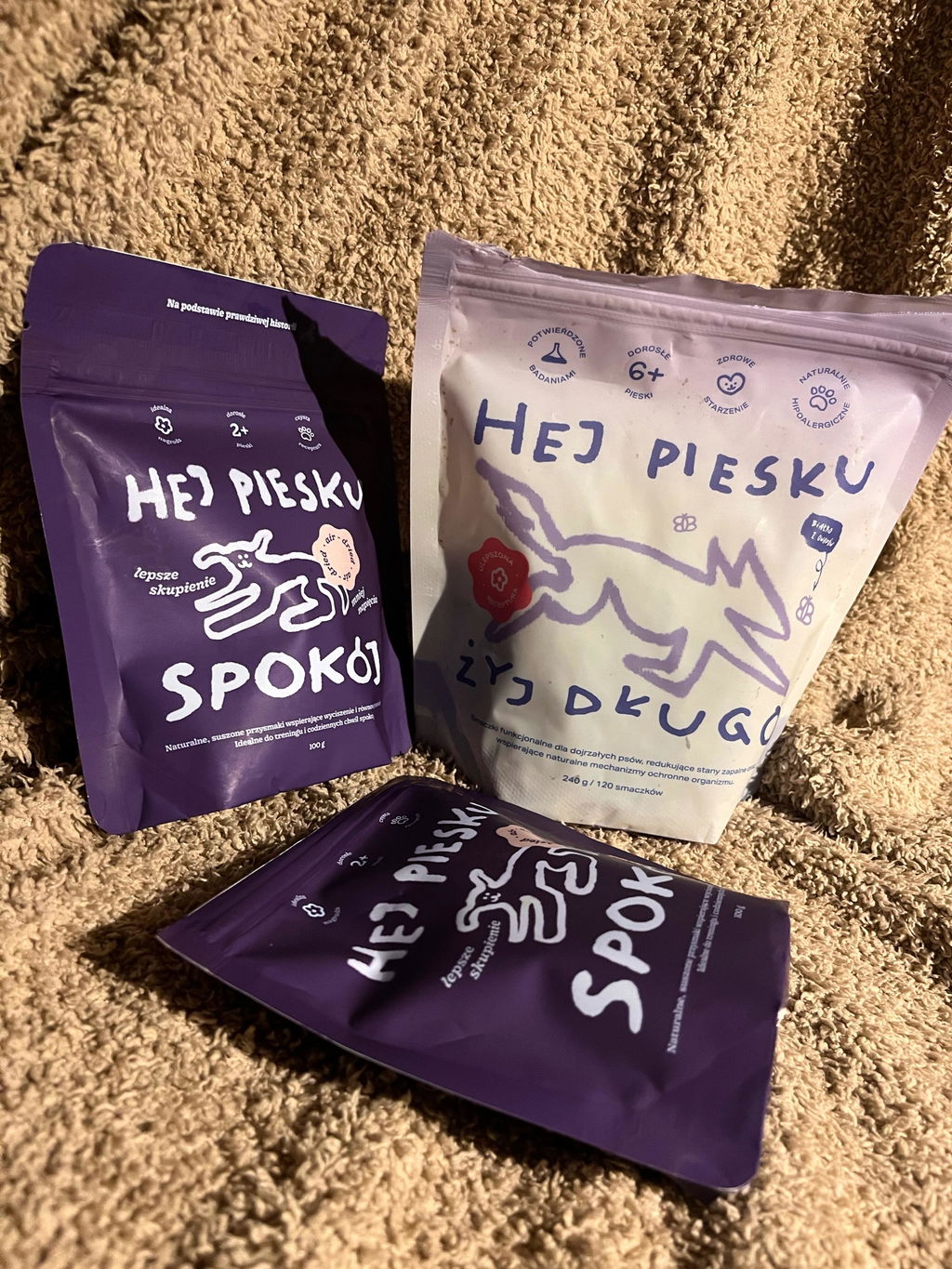
Nasza 11-letnia suczka Nela regularnie korzysta z ich suplementów, które świetnie wspierają utrzymanie zdrowia i dobrej kondycji w jej wieku.
Nela jest bardzo aktywna – uwielbia biegać, wszędzie jej pełno. W jej małym ciele kryje się wielkie serduszko wypełnione miłością, a w jej wieku szczególnie ważne jest wsparcie stawów, serca i ogólnego zdrowia. Smaczki są naprawdę pyszne – Nela zjada je z ogromnym apetytem i wyraźnie jej smakują.
Na szczególne wyróżnienie zasługuje również obsługa klienta – szybka, pomocna i bardzo zaangażowana. Każde nasze pytanie spotkało się z profesjonalną i życzliwą odpowiedzią. Cieszymy się z tego wyboru, ale zdecydowanie najbardziej zadowolona jest Nela… mniam!
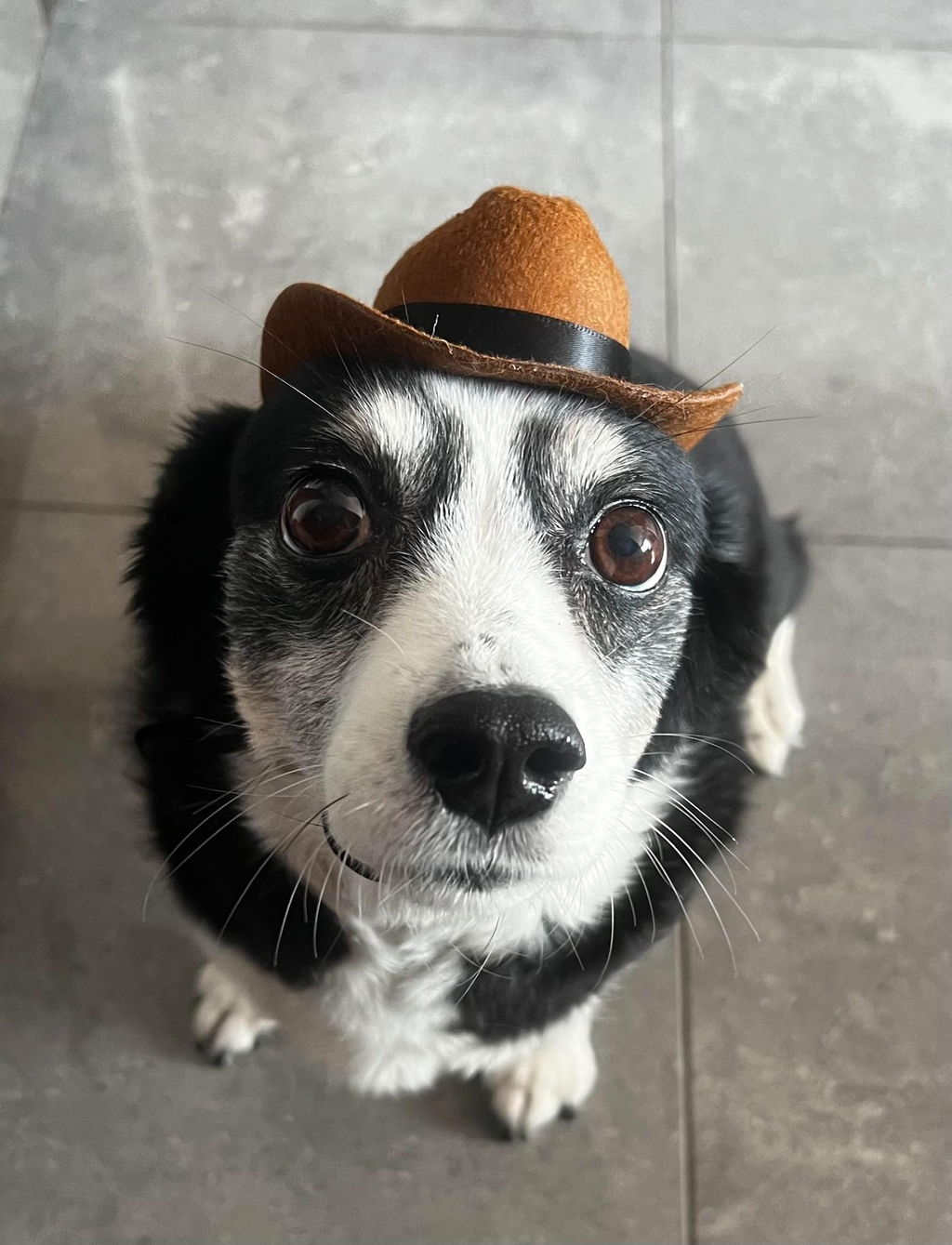
Kupiłam smaczki z myślą o mojej 12-letniej seniorce, która jest moim całym światem. Chcę aby żyła w zdrowiu jak najdłużej! Fetulka chętnie zjada smakołyki, a ja jestem trochę spokojniejsza, że to kolejna dobra rzecz którą dla niej robię aby zadbać o jej zdrowie. Fajnie, że powstał taki produkt ❤️🔥.
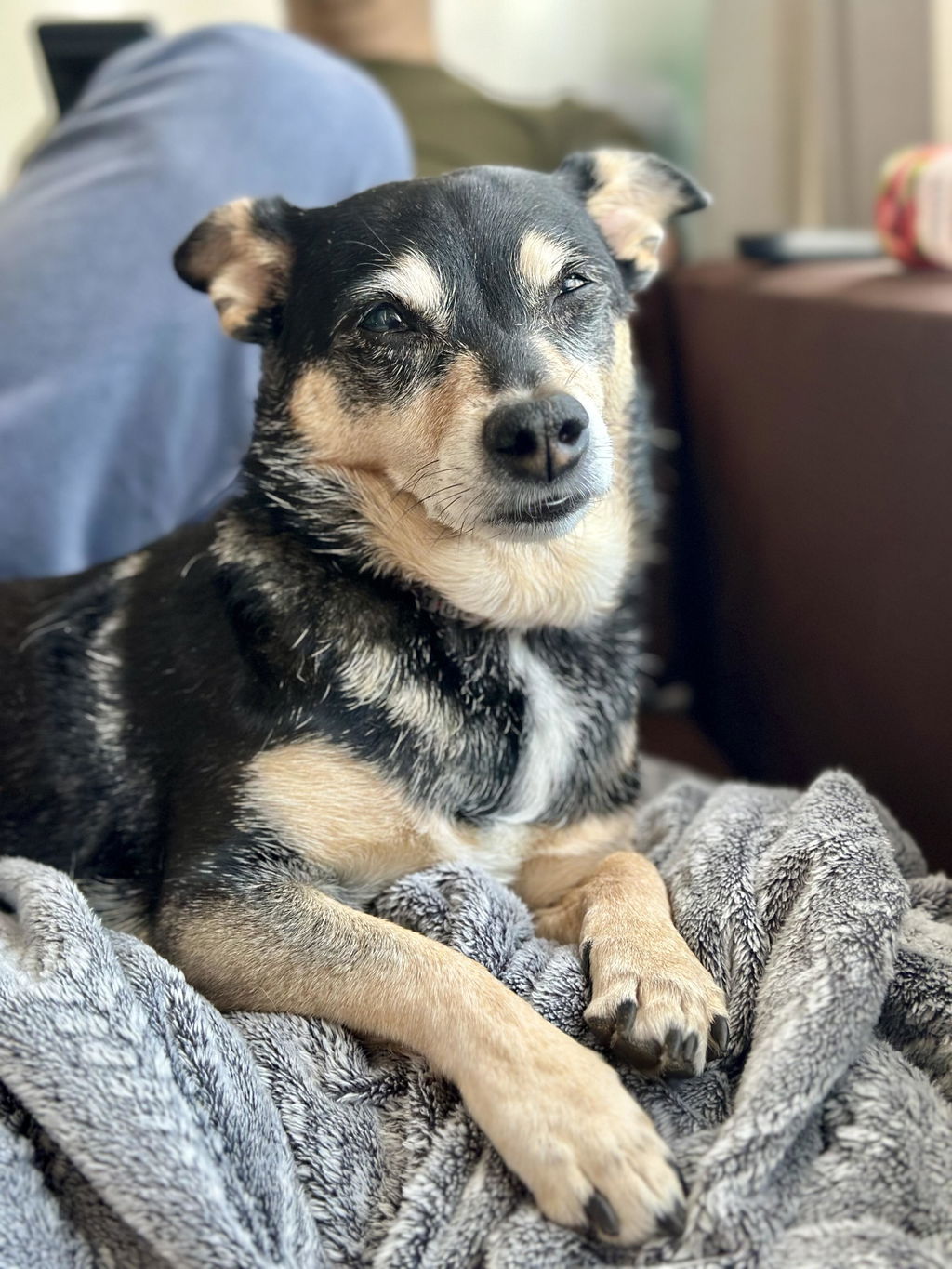
Używamy smaczków „Żyj długo” już od kilku miesięcy i jesteśmy bardzo zadowoleni. Nasz pies Vincent van Dog (10-letni border collie) ma dość wrażliwy żołądek, więc zawsze ostrożnie podchodzimy do nowych przysmaków. W tym przypadku wszystko sprawdza się świetnie. Smaczki są dobrze tolerowane i ewidentnie bardzo mu smakują.
Plusik za nowe, mniejsze opakowanie – jest trochę wygodniejsze na co dzień. Bardzo podoba nam się też nowy kształt ❤️, który idealnie pasuje do idei produktu.
Sam sklep również zasługuje na ogromną pochwałę. Obsługa jest niezwykle miła i przyjazna, komunikacja błyskawiczna, a na odpowiedzi nie czeka się godzinami, tylko dosłownie kilka minut. Naprawdę rzadko spotyka się taką responsywność i podejście do klienta.
Zdecydowanie polecamy!
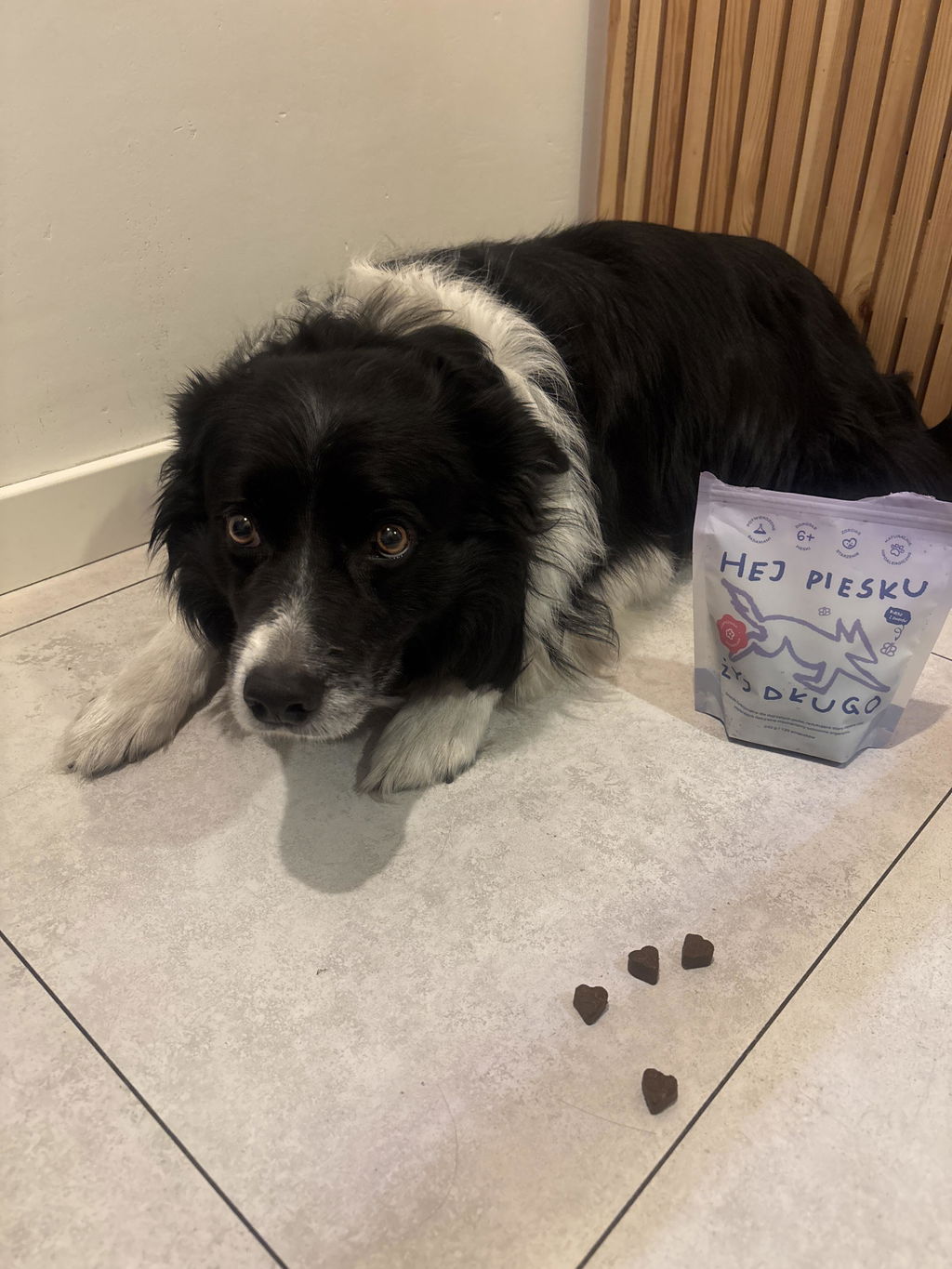
Psiakowi smakuje to najważniejsze, profesjonalna obsługa sklepu on-line. Polecam
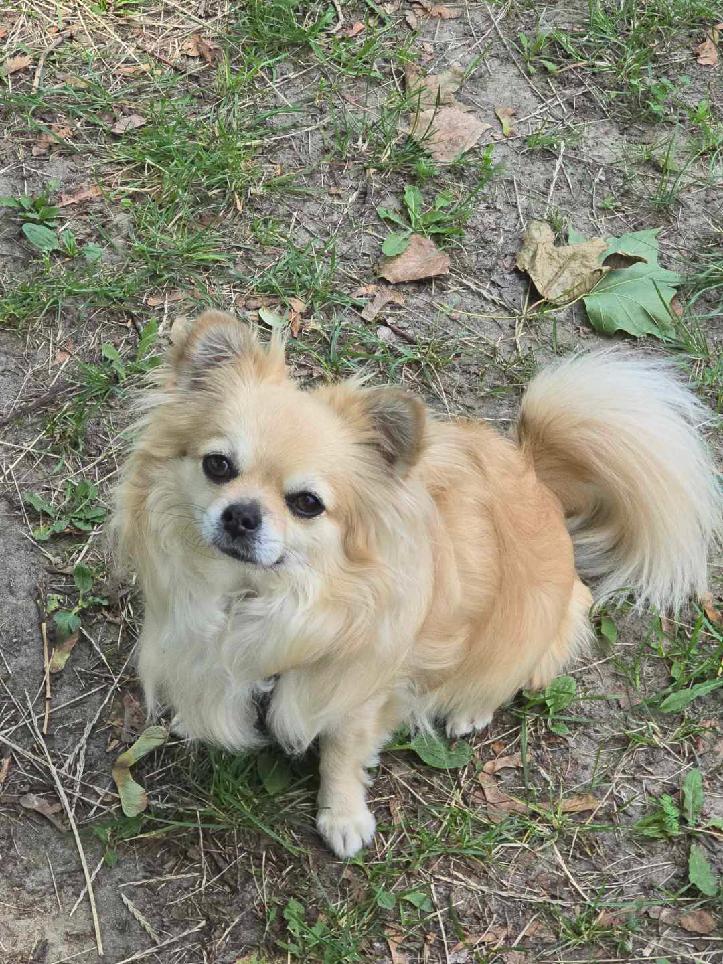
Suplement Żyj Długo od Hej Piesku to zdecydowanie jeden z najlepszych preparatów, jakie wprowadziłam do suplementacji mojego psa.
Suplementuję Harperkowi Żyj Długo od lutego 2025 roku (z przerwą od grudnia do teraz) i efekty są naprawdę widoczne. Przede wszystkim ogromnie poprawiła się jego sierść – jest gęstsza, bardziej lśniąca i wyraźnie zdrowsza. Najważniejsza zmiana dotyczy jednak pracy serca. Wyniki badań oraz ostatnie echo serca potwierdzają, że funkcjonowanie serduszka uległo poprawie, co daje mi ogromny spokój i poczucie, że robię dla niego coś naprawdę wartościowego.
Dodatkowy plus - Harperek po prostu uwielbia Żyj Długo! Wystarczy, że otwieram paczkę, a on od razu pojawia się obok mnie i czeka z niecierpliwością. Dla mnie to bardzo ważne, bo podawanie suplementu nie jest żadnym stresem ani „przemycaniem” w jedzeniu – to dla niego czysta przyjemność.
Bardzo cenię ten preparat za przemyślany skład, wysoką jakość i realne efekty, potwierdzone nie tylko moją obserwacją, ale też badaniami. Na pewno wrócimy do regularnej suplementacji – Żyj Długo stało się stałym elementem naszej troski o zdrowie Harperka ❤️
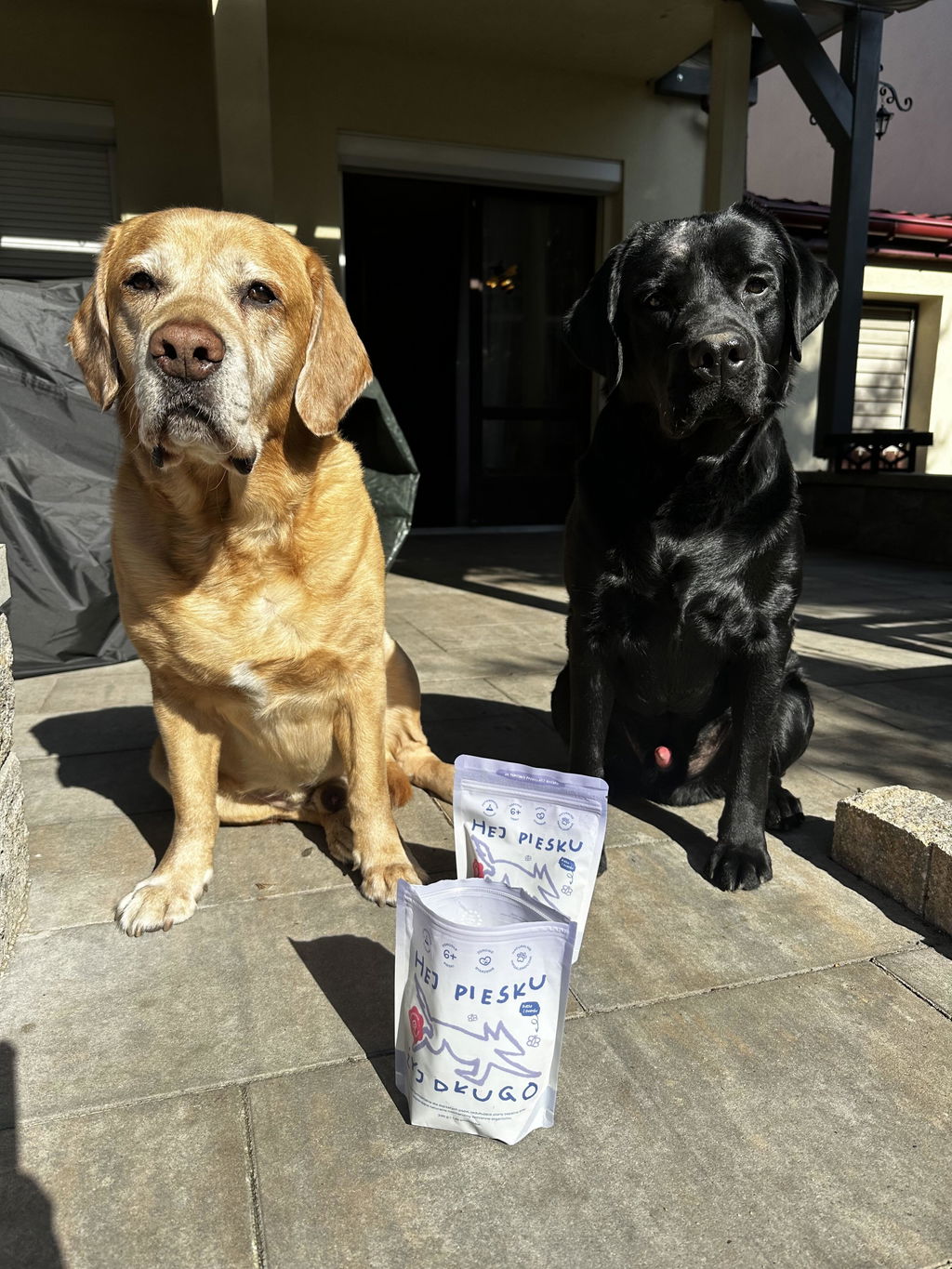
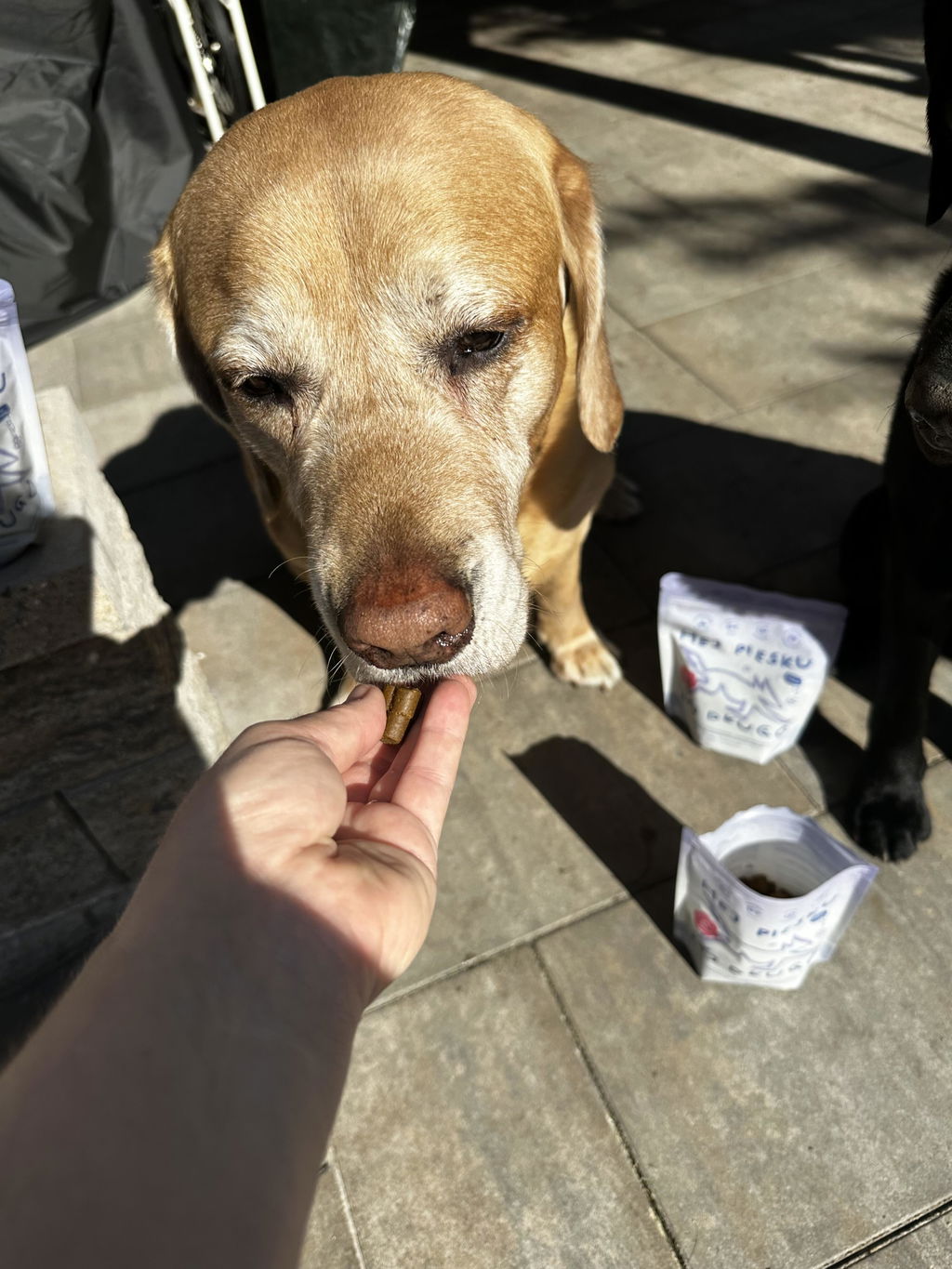
Fajna miękka przegryzka, bardzo smakuje :)
Znamy Hej Piesku już od długiego czasu i ufamy im z całego serca - byliśmy przy poprzedniej wersji Żyj Długo i zostaliśmy przy nowej z białkiem. Jimmy zajada jak zawsze, smaczki znikają z ręki w ułamku sekundy.
Historia Sky'a, którą poznaliśmy przy okazji, trafiła nas prosto w serce i uświadomiła nam, że z suplementacją naszego jamnika czekamy za długo. Jimmy ma 8 lat i choć wciąż potrafi zdemolować zabawkę w pięć minut, po dłuższych spacerach było widać, że coś go boli. Wchodzenie na kanapę itp. zaczęło go kosztować więcej niż powinno.
Po miesiącu stosowania wstaje zdecydowanie raźniej i ku mojemu zaskoczeniu wrócił do aportowania, jest o wiele żwawszy.
Suplementujemy Jimmiego też Wspieraj jelita, bo ma wzdęcia i drażliwe jelitka, więc jest zaopiekowany kompleksowo. Bardzo polecamy!
❤️❤️❤️dziękujemy za milsze wspólne spacery, mamy więcej energii i zjadamy ze smakiem 🥰
baaardzi polecamy, mamy 2 pieski seniorki z adopcji i każdy przyjmuje Żyj Długo już pół roku i naprawdę widzimy efekty, a dodatkowo cieszy wiedzieć że są tak wspierane od wewnątrz ❤️
Mam małego buldożka francuskiego (8 kg),pies je je chętnie, wyraźnie spokojniej śpi i mniej kuleje po dłuższym spacerze. Ogólnie bardzo polecam.
Szukałem czegoś sensownego dla mojego labradora seniora i nie ma wielu suplementów dla psów, które mają taki skład. Borys po 3 tygodniach wstaje rano zdecydowanie sprawniej i zjada przysmaki w ułamku sekundy 😁💪
Mój golden ma 9 lat i po miesiącu stosowania wyraźnie więcej się rusza. Zamawiamy dalej! ❤️
Jestem bardzo zadowolona, widzę efekty po miesiącu stosowania - Henio jest żwawszy i chętnie zajada:)
Zaczęliśmy przygodę z Hej piesku - Żyj długo :)
I póki co wyniki badań mojego 14letniego Pimpusia są naprawdę niezłe :) suplementujemy dalej i polecamy :)
Świetny produkt - naturalny skład, który dla mnie jest priorytetowy w wyborze suplementów, nie ma tam nic, co byłoby zbędne :) Nasza sunia seniorka ma więcej energii i jest bardziej mobilna od kiedy korzysta, a zamówiliśmy już 2 paczki :) Polecam!
Duszka, nasza 8-letnia kundelka uwielbia suplementy Hej piesku. Wystarczy otworzyć szafkę z suplami i zaraz przybiega. Wybraliśmy je, żeby spowolnić procesy starzenia. Ważne są dla nas też składniki, które działają przeciwzapalnie i mogą wspomóc w utrzymaniu zdrowia stawów. Przekonała mnie też profilaktyka nowotworowa, bo jej budowa predysponuje ją do zmian zwyrodnieniowych w stawach. Bierzemy Hej piesku, robimy fitnes i piesek ciągle sprawny — jeździ na wycieczki, robi koronę gór Polski :) Mamy wrażenie, że jej kondycja nawet się poprawiła.
Dla psa, którego chcesz mieć przy sobie jak najdłużej.
Formuła wspierająca zdrowe starzenie 6+

Jak wzmocnić stawy psa – suplementy na stawy dla psów seniorów
Jak wzmocnić stawy psa – suplementy na stawy dla psów seniorów
Z wiekiem chrząstka stawowa regeneruje się wolniej, a naturalna odpowiedź zapalna w tkankach narasta. U psów po 6/7. roku życia to jeden z pierwszych procesów, który wpływa na codzienny komfort ruchu.
Suplementy na stawy dla psów seniorów wspierają organizm od środka — szczególnie gdy zastanawiasz się, jak wzmocnić stawy psa i zadbać o jego sprawność na dłużej.
Kolagen dla psa oraz kurkuma dla psa pomagają utrzymać elastyczność tkanek i komfort ruchu w codziennym życiu psa seniora.
L-karnityna dla psa – energia i sprawność w starszym wieku
L-karnityna dla psa – energia i sprawność w starszym wieku
Z wiekiem spada wydolność komórkowa, co wpływa na energię i chęć do ruchu.
L-karnityna dla psa wspiera transport kwasów tłuszczowych do mitochondriów, co przekłada się na lepsze wykorzystanie energii przez mięśnie i serce. Suplementacja psa seniora tym składnikiem pomaga utrzymać witalność i codzienną aktywność.
Antyoksydanty dla psa – resweratrol i profilaktyka zdrowotna psa
Antyoksydanty dla psa – resweratrol i profilaktyka zdrowotna psa
Z wiekiem organizm gorzej radzi sobie ze stresem oksydacyjnym, który przyspiesza procesy starzenia. Antyoksydanty dla psa, takie jak resweratrol i kurkuma dla psa, wspierają ochronę komórek i naturalną równowagę organizmu.
Profilaktyka zdrowotna psa ma największy sens wtedy, gdy zaczyna się regularnie — zanim pojawią się pierwsze objawy.
Omega 3 dla psa – wsparcie serca i układu nerwowego
Omega 3 dla psa – wsparcie serca i układu nerwowego
Kwasy tłuszczowe są jednym z podstawowych elementów wspierających organizm psa seniora. Omega 3 dla psa wspiera pracę serca, układ nerwowy i pomaga regulować naturalną odpowiedź zapalną. To ważny element codziennego wsparcia, szczególnie gdy zastanawiasz się, jak dbać o psa seniora kompleksowo.
Soplówka jeżowata dla psa – lion’s mane dla psa i funkcje poznawcze
Soplówka jeżowata dla psa – lion’s mane dla psa i funkcje poznawcze
Z wiekiem mogą pojawiać się zmiany w funkcjonowaniu układu nerwowego — mniejsza responsywność, zmiana rytmu dnia, spadek koncentracji. Soplówka jeżowata dla psa (lion’s mane dla psa) wspiera funkcje poznawcze i komunikację między neuronami.
To wsparcie, które pomaga zadbać o zdrowe starzenie się psa również na poziomie układu nerwowego.
Kolagen dla psa – suplement na stawy psa seniora
Kolagen dla psa – suplement na stawy psa seniora
Stawy psa seniora zużywają się z każdym rokiem, a regeneracja chrząstki przebiega wolniej.
Kolagen dla psa wspiera tkanki łączne i chrząstkę stawową, dlatego jest podstawą, gdy wybierasz suplement na stawy psa seniora. Regularna suplementacja psa seniora pomaga utrzymać komfort ruchu i sprawność na co dzień.
Każdy opiekun marzy, by jego pies żył jak najdłużej – zdrowo i pełen energii.
Średnia długość życia psa to około 12,7 lat, ale odpowiednia profilaktyka zdrowotna psa może realnie wpłynąć na to, jak długo i w jakiej formie żyje.
Psy w szczupłej kondycji żyją średnio o 1,8 roku dłużej – to nawet 15% więcej życia.
Jednym z kluczowych czynników starzenia jest stres oksydacyjny, dlatego antyoksydanty dla psa odgrywają ważną rolę w codziennym wsparciu organizmu.
Badania pokazują, że suplementacja psa seniora składnikami o działaniu antyoksydacyjnym i wspierającym naturalną odpowiedź zapalną pomaga ograniczać uszkodzenia komórkowe i wspiera zdrowe starzenie się psa.
Wprowadzenie suplementów dla psa seniora od około 6. roku życia to nie reakcja na problem — to spokojna decyzja, która może przełożyć się na więcej wspólnych lat.
Ufamy ekspertom z pasją
Za każdą recepturą stoi nasz zespół specjalistów, który najpierw wychodzi od realnej potrzeby, potem robi duży research, a dopiero potem przygotowuje recepturę. Wiedza i pasja do tworzenia najlepszych produktów są dla nas najważniejsze. Korzystamy tylko z surowców potwierdzonych aktualnymi badaniami, a do formuł trafia wyłącznie to, co ma realny sens dla psiego organizmu. Dbamy też o najwyższą czystość, bo jeśli coś nie pomaga Twojemu psu, po prostu nie ma na to u nas miejsca.


Co jeszcze dla psa z miasta
#hejpiesku w obiektywie


Kompendium wiedzy dla opiekunów

Dzień Psa w Polsce – kiedy wypada i jak świętować?
Czas czytania: ok. 10–14 minut Spis treści 1. Dzień Psa – co to za święto i kiedy wypada? 2. Historia Dnia Psa w Polsce 3. Psy w Polsce – liczby, które pokazują skalę miłości do czworonogów 4. Jak świętować Dzień Psa ze swoim psem? 5. Dzień Psa to też chwila na sprawdzenie zdrowia 6. Codzienna troska – nie tylko raz w roku 7. Dzień Psa a adopcja – dlaczego to ważne? 8. Międzynarodowy Dzień Psa – 26 sierpnia 9. FAQ – najczęściej zadawane pytania o Dzień Psa Dzień Psa w Polsce – kiedy wypada, jak go świętować i jak zadbać o psa przez cały rok 1 lipca w Polsce wyszukiwarka nagle budzi się głośniej niż zwykle. Tysiące zapytań o dzień psa, o to kiedy wypada, jak go świętować i co zrobić wyjątkowego dla swojego czworonoga. To nie przypadek. Dzień Psa to jedno z tych świąt, które Polacy przyjęli z prawdziwym sercem – bo miłość do psów w Polsce jest ogromna i wciąż rośnie. Według danych FEDIAF i GUS, w 2023 roku w Polsce żyło 8,5 miliona psów – więcej niż dzieci i młodzieży do lat 18. W tym artykule opowiadamy, czym jest Dzień Psa w Polsce, jak powstało to święto, jak można go obchodzić i – co ważne – dlaczego warto, by ten dzień stał się też okazją do refleksji nad codzienną troską o zdrowie psa, nie tylko jednorazowym gestem. Bo pies zasługuje na uwagę każdego dnia, nie tylko 1 lipca. 1. Dzień Psa – co to za święto i kiedy wypada? Dzień Psa w Polsce obchodzimy corocznie 1 lipca. To oficjalne polskie święto wszystkich psów – niezależnie od rasy, wielkości i rodowodu. Data nie jest przypadkowa: to właśnie na początku wakacji, gdy opiekunowie pakują walizki, każdego roku do polskich schronisk trafia nieproporcjonalnie duże liczby psów. Dzień Psa miał i nadal ma za zadanie zwracać na to uwagę – przypominać, że pies to odpowiedzialność i codzienna relacja, nie sezonowy towarzysz. W kalendarzu znajdziemy dwie ważne daty związane z psami. Polski Dzień Psa to 1 lipca, a Międzynarodowy Dzień Psa (International Dog Day) przypada 26 sierpnia. Oba święta mają podobny cel: celebrować obecność psów w życiu człowieka i promować odpowiedzialną, świadomą opiekę nad nimi. 2. Historia Dnia Psa w Polsce Polskie święto zostało ustanowione w 2007 roku – dziesięć lat po wejściu w życie Ustawy o Ochronie Zwierząt. Pomysłodawcą była redakcja czasopisma „Przyjaciel Pies" we współpracy z użytkownikami portalu pies.pl. Od samego początku Dzień Psa miał wymiar nie tylko celebracyjny, ale też społeczny i edukacyjny. Wybór daty – 1 lipca – to świadomy wybór. Właśnie w pierwszych tygodniach wakacji porzucenia psów są w Polsce statystycznie najwyższe. Część opiekunów nie ma planu na psa podczas urlopu i zwyczajnie pozostawia go w lesie lub podrzuca do schroniska. Dzień Psa miał stać się corocznym przypomnieniem, że taka sytuacja jest niedopuszczalna. Dziś to święto połączyło obie funkcje: radosne świętowanie więzi z psem i poważną refleksję nad odpowiedzialną opieką. Warto wiedzieć, że Polska ma również swój udział w obchodach globalnych: Międzynarodowy Dzień Psa (26 sierpnia) zainicjowała w 2004 roku Amerykanka Colleen Paige – ekspertka ds. praw zwierząt. W 2013 roku święto zostało wpisane do prawodawstwa stanu Nowy Jork. Dziś obchodzony jest na całym świecie, w tym licznie w Polsce. 3. Psy w Polsce – liczby, które pokazują skalę miłości do czworonogów Polska to kraj psiarzy. Kilka liczb, które mówią więcej niż tysiąc słów: 8,5 miliona psów żyje w Polsce (dane FEDIAF, 2023) – to więcej niż dzieci i młodzieży do lat 18 (7,2 mln wg GUS). Od 2010 roku populacja psów w Polsce wzrosła o 15%, podczas gdy liczba dzieci spadła o 8%. Niemal połowa polskich gospodarstw domowych ma co najmniej jednego psa. W 2023 roku w polskich schroniskach przebywało 81 778 psów (dane Głównego Lekarza Weterynarii). W 2024 roku gminy zajęły się 61 075 nowymi bezdomnymi psami – koszt opieki wyniósł blisko 392 miliony złotych. W 2023 roku adoptowano 51 162 psy ze schronisk – to ponad 62% populacji schroniskowej. Te liczby pokazują dwie rzeczy jednocześnie: Polacy kochają psy i traktują je jak członków rodziny, ale problem bezdomności zwierząt wciąż istnieje. Dzień Psa to dobry moment, by pamiętać o obu stronach tego obrazu. 4. Jak świętować Dzień Psa ze swoim psem? Najważniejsza zasada jest prosta: dzień psa świętuje się z psem, nie dla psa. To nie jest dzień prezentów leżących pod choinką – to dzień wspólnie spędzonego czasu, nowych doświadczeń i jeszcze uważniejszej obecności. Oto kilka sprawdzonych sposobów, jak opiekunowie w Polsce i na świecie obchodzą to święto. Dłuższy spacer w nowym miejscu Nie ten sam blok co zawsze. Las, łąka, rzeka, nowy park – nowe zapachy to dla psa prawdziwa uczta sensoryczna. Dla mózgu psa eksploracja nowych terenów to zarówno stymulacja, jak i przyjemność. Zaplanuj spacer dłuższy niż zwykle, bez pośpiechu, bez telefonu w dłoni – tylko Ty i Twój pies. Zabawa nosem – poszukiwanie smaczków Ukryj ulubione smaczki w trawie, w domu, w pudełkach. Psie węszenie to jedna z najbardziej naturalnych aktywności, która jednocześnie wyczerpuje mentalnie i sprawia czworonogom ogromną radość. Psie „gry węchowe" to też świetny sposób na aktywizację psów starszych lub tych z ograniczoną mobilnością. Masaż i czas bliskości Masaż dla psa to coś więcej niż pieszczota. Spokojne głaskanie, delikatny masaż mięśni grzbietu, łap i szyi obniża poziom kortyzolu – zarówno u psa, jak i u człowieka. To jeden z najprostszych gestów, który buduje więź i daje psu poczucie bezpieczeństwa. Nowa zabawka lub funkcjonalny smaczek Jeśli chcesz podarować psu prezent – niech to będzie coś, co mu realnie służy. Interaktywna zabawka, gryzak, a może funkcjonalny smaczek, który jednocześnie wspiera stawy, odporność i sierść? To właśnie filozofia stojąca za produktami Hej Piesku – każda nagroda może być też elementem codziennej troski o zdrowie. Sesja zdjęciowa Zrób psu zdjęcia – spokojnie, bez lampy błyskowej, w naturalnym świetle. Każdy opiekun wie, że pies starzeje się szybciej niż my chcielibyśmy to zauważyć. Zdjęcia to pamiątka, ale też szansa na uważne przyjrzenie się psu: jak wygląda sierść, czy oczy są czyste, jak porusza się podczas zabawy. Wspólne świętowanie z innymi psami W wielu miastach 1 lipca i 26 sierpnia organizowane są psie pikniki, biegi charytatywne, spotkania w psich parkach, pokazy posłuszeństwa i prelekcje weterynaryjne. Sprawdź, co organizowane jest w Twoim mieście – to świetna okazja do socjalizacji zarówno dla psa, jak i dla opiekuna. 5. Dzień Psa to też chwila na sprawdzenie zdrowia Dzień Psa to naturalny moment na małą „rewizję" zdrowia psa. Nie chodzi o panikę, ale o uważność. Przyjrzyj się swojemu psu przez chwilę z perspektywy obserwatora. Na co zwrócić uwagę? Sierść i skóra – czy sierść jest błyszcząca, czy raczej matowa i krucha? Czy skóra jest sucha, łuszcząca się? To często pierwszy sygnał niedoborów, szczególnie kwasów omega-3. Stawy i ruch – czy pies wstaje rano bez trudu? Czy chętnie się porusza, bawi, biega? Sztywność stawów po odpoczynku to wczesny sygnał, który warto obserwować. Apetyt i trawienie – czy pies je regularnie z apetytem? Czy trawienie jest bez problemów? Luźny stolec, wzdęcia, wymioty to sygnały, które zawsze warto skonsultować z weterynarzem. Energia i zachowanie – czy pies jest równie radosny co zwykle? Czy nie jest bardziej wycofany, drażliwy lub apatyczny? Zęby i dziąsła – kamień nazębny, nieprzyjemny zapach z pyska, zaczerwienione dziąsła to problemy często bagatelizowane, a wpływające na ogólny stan zdrowia. Jeśli zauważasz jakiś sygnał – Dzień Psa to doskonały pretekst, by umówić wizytę kontrolną u weterynarza. Badania profilaktyczne raz do roku (a u psów seniorów – dwa razy) to jeden z najprostszych sposobów na przedłużenie życia psa w dobrej kondycji. 6. Codzienna troska – nie tylko raz w roku Hej Piesku to marka, która powstała właśnie z tego pytania: czy robimy wystarczająco dużo, by nasze psy żyły dłużej i zdrowiej? Zaczęło się od Sky'a – owczarka niemieckiego, który po operacji zaczął starzeć się zbyt szybko. To doświadczenie doprowadziło do stworzenia suplementów, które są codziennym rytuałem – nie nadzwyczajnym środkiem w chwili kryzysu, ale spokojnym wsparciem od środka, każdego dnia. Dzień Psa jest pięknym świętem, ale prawdziwa troska o psa to codzienny rytm. Obejmuje: Ruch – regularny, dostosowany do wieku i kondycji psa, nie tylko intensywny na weekendzie. Dietę – dobrej jakości karmę, z uwagą na skład i dopasowanie do wieku psa. Profilaktykę – regularne wizyty u weterynarza, szczepienia, odrobaczanie, kontrola stanu zdrowia. Suplementację – jako uzupełnienie, nie zastępstwo dobrego żywienia. Szczególnie u psów żyjących w mieście, narażonych na smog, beton i stres. Czas i więź – psy to zwierzęta społeczne. Samotność, stres, nuda – to czynniki, które realnie wpływają na ich zdrowie fizyczne. Jeśli szukasz codziennego wsparcia dla psa – naturalnego, bez sztucznych składników i w smacznej formie – warto zajrzeć do naszych produktów. Dzień Dobry to codzienna formuła na stawy, skórę, sierść i odporność – szczególnie dla psów żyjących w mieście. Żyj Długo to wsparcie dla psów dojrzałych i seniorów, które potrzebują czegoś więcej. A jeśli Twój pies ma wrażliwe jelita – Wspieraj Jelita to naturalne wsparcie mikrobioty i trawienia. Każdy z tych produktów to codzienny rytuał, nie jednorazowy gest. 7. Dzień Psa a adopcja – dlaczego to ważne? Przy okazji Dnia Psa wiele organizacji i schronisk organizuje akcje adopcyjne. To ma głęboki sens – w Polsce w schroniskach przebywa dziesiątki tysięcy psów czekających na dom. W 2023 roku adoptowano ponad 51 tysięcy psów, ale tysiące wciąż czekają. Adopcja to decyzja na wiele lat i wymaga przemyślenia. Jeśli rozważasz wzięcie psa ze schroniska – to naprawdę piękny wybór. Warto jednak pamiętać, że pies ze schroniska często potrzebuje czasu na adaptację, spokojnego wdrożenia do nowego środowiska i konsekwentnej, empatycznej pracy. Jeśli nie jesteś gotowy na adopcję – możesz wesprzeć schronisko darowizną, wolontariatem lub przekazując je znajomym, którzy szukają psa. W tym kontekście warto wspomnieć akcję Zaadoptuj Seniorka – inicjatywę, w której Hej Piesku angażuje się we wspieranie starszych psów ze schronisk. Bo senior zasługuje na szansę tak samo jak szczeniak. A często – bywa spokojniejszym, bardziej wdzięcznym towarzyszem. 8. Międzynarodowy Dzień Psa – 26 sierpnia Międzynarodowy Dzień Psa obchodzimy 26 sierpnia. Święto zainicjowała w 2004 roku Colleen Paige – amerykańska ekspertka ds. praw zwierząt domowych. Data 26 sierpnia była dla niej osobista: właśnie w tym dniu jako 10-letnia dziewczynka dostała swojego pierwszego psa. Święto szybko zyskało popularność w USA, Wielkiej Brytanii, Australii i wielu innych krajach. W 2013 roku zostało wpisane do prawodawstwa stanu Nowy Jork. Szacuje się, że od pierwszej edycji National Dog Day Foundation w Stanach Zjednoczonych uratowano i adoptowano ponad milion psów. Międzynarodowy Dzień Psa to okazja do celebrowania więzi między ludźmi a psami, docenienia psów pracujących (policja, ratownictwo, psy przewodnicy, dogoterapia) i zachęcania do adopcji ze schronisk. W Polsce Dzień Psa i Międzynarodowy Dzień Psa coraz częściej są obchodzone razem – jako dwa momenty w roku, gdy psie tematy trafiają do mainstreamu i wiele osób sięga po wiedzę o odpowiedzialnej opiece nad zwierzętami. 9. FAQ – najczęściej zadawane pytania o Dzień Psa Kiedy jest Dzień Psa w Polsce? Dzień Psa w Polsce przypada na 1 lipca każdego roku. Data ta nie jest przypadkowa – wybrano ją ze względu na początek sezonu wakacyjnego, w którym statystycznie najwięcej psów trafia do schronisk w Polsce. Święto zostało ustanowione w 2007 roku przez redakcję czasopisma „Przyjaciel Pies". Kiedy jest Międzynarodowy Dzień Psa? Międzynarodowy Dzień Psa obchodzony jest 26 sierpnia na całym świecie. Zainicjowała go w 2004 roku Colleen Paige – amerykańska działaczka na rzecz praw zwierząt. W Polsce obchodzimy oba święta – zarówno polskie 1 lipca, jak i międzynarodowe 26 sierpnia. Jak świętować Dzień Psa z psem? Najlepszy sposób to spędzenie z psem więcej czasu niż zwykle. Dłuższy spacer w nowym miejscu, zabawa nosem ze smaczkami, masaż, sesja zdjęciowa, nowa zabawka lub udział w lokalnym psim pikniku. Dzień Psa świętuje się razem z psem, w jego rytmie i według jego potrzeb. Ile psów żyje w Polsce? Według danych FEDIAF za 2023 rok w Polsce żyło 8,5 miliona psów – więcej niż dzieci i młodzieży do 18. roku życia. Polska jest jednym z krajów z najwyższym wskaźnikiem posiadania psów w Europie – pies mieszka w niemal co drugim domu. Czy dzień psa jest dniem wolnym od pracy? Dzień Psa (1 lipca) nie jest ustawowo dniem wolnym od pracy w Polsce. To święto o charakterze obywatelskim i edukacyjnym, nie kalendarzowy dzień ustawowo wolny. Wiele organizacji prozwierzęcych i firm pet-friendly organizuje jednak z tej okazji akcje i wydarzenia. Co kupić psu na Dzień Psa? Najlepszy prezent to wspólny czas i aktywność. Jeśli szukasz czegoś konkretnego – wybieraj mądrze: nowa zabawka angażująca zmysły, naturalny gryzak, a może zestaw naturalnych suplementów dla psa, który będzie codziennym rytuałem zdrowia przez wiele miesięcy? Prezent, który służy psu przez cały rok, jest lepszym wyborem niż jednorazowy gadżet. Jak zadbać o zdrowie psa z okazji Dnia Psa? To idealny moment, by zrobić prostą kontrolę: sprawdzić stan sierści i skóry, zwrócić uwagę na ruch i stawy, skontrolować apetyt i trawienie. Jeśli minął rok od ostatnich badań – umów wizytę profilaktyczną u weterynarza. Rozważ też, czy dieta psa jest dostosowana do jego wieku i trybu życia, i czy warto wesprzeć ją codzienną suplementacją. Czy psy ze schronisk mogą być adoptowane na Dzień Psa? Tak – wiele schronisk organizuje specjalne akcje adopcyjne właśnie przy okazji Dnia Psa. Adopcja to piękna decyzja, ale powinna być przemyślana. Pies ze schroniska potrzebuje stabilnego domu, cierpliwości i czasu na adaptację. Jeśli nie jesteś gotowy na adopcję, możesz wesprzeć schronisko darowizną lub wolontariatem. Co to jest dogoterapia i jaki ma związek z Dniem Psa? Dogoterapia to metoda terapeutyczna wykorzystująca kontakt z psem jako element rehabilitacji – szczególnie u dzieci z zaburzeniami i u pacjentów wymagających wsparcia emocjonalnego. Psy pracujące w dogoterapii, ratownictwie, policji czy jako przewodnicy niewidomych to bohaterowie, którym Dzień Psa też jest poświęcony. To doskonała okazja, by docenić nie tylko swojego psa domowego, ale też te czworonogi, które każdego dnia ratują i wspierają życie ludzkie. Jak wzmocnić odporność psa – i dlaczego Dzień Psa to dobry moment na start? Odporność psa zależy od diety, aktywności, mikrobioty jelitowej i suplementacji. Dzień Psa to naturalny impuls do refleksji: czy mój pies dostaje to, czego naprawdę potrzebuje? Jeśli chcesz zacząć coś zmieniać – zacznij od podstaw: regularne spacery, dobra karma, może probiotyk dla psa lub codzienny suplement wspierający odporność i stawy. Jeden mały krok każdego dnia robi różnicę przez cały rok. Czy starszy pies też może świętować Dzień Psa? Oczywiście! Senior zasługuje na świętowanie tak samo jak szczeniak – a może nawet bardziej. Dostosuj aktywność do jego możliwości: krótszy spacer, delikatna zabawa, masaż. Z okazji Dnia Psa pomyśl też o wsparciu zdrowia starszego psa – suplementy dla psa seniora, regularne badania krwi i odpowiednia dieta mogą realnie wydłużyć jego czas w dobrej kondycji.

Alergie u psów – objawy i wsparcie żywieniowe od środka
Twój pies wraca ze spaceru i od razu liże łapy? A może częściej niż zwykle drapie się za uszami albo pociera pyskiem o kanapę? Wiosna to czas, w którym wielu opiekunów po raz pierwszy zaczyna się zastanawiać, czy coś jest nie tak. Pyłki brzozy, roztocza, trawa – to wszystko sprawia, że układ odpornościowy wrażliwego psa zaczyna pracować na wyższych obrotach.

Biegunka u psa na spacerze – przyczyny i co podawać
Ten moment, w którym pies nagle przykuca w parku i zamiast normalnej kupy widzisz wodnisty stolec — zna go prawie każdy opiekun. Badania pokazują, że u blisko 8 na 10 psów ostra biegunka mija sama w ciągu 2 dni. Klucz to nie panika, tylko kilka spokojnych kroków: obserwacja, woda, krótka przerwa od jedzenia, potem lekkostrawna dieta i wsparcie jelit od środka. Sprawdź, co podawać psu na biegunkę, kiedy nie zwlekać z wizytą u lekarza weterynarii i jak codzienna troska o mikroflorę jelit pomaga zmniejszyć ryzyko nawrotów.